Home
All RegionsBordeauxBurgundyChampagneRhone ValleyLoire Valley
Wines
All GuidesHow to Taste WineReading Wine LabelsStarting a CellarEn Primeur ExplainedWine Gift Guide
Journal About Contact Subscribe

Guide

How to Start a Wine Cellar

A cellar does not have to be a vaulted room beneath a chateau. It is simply somewhere wine can rest in cool, steady, dark conditions, together with a plan for what goes in and when it comes out.

The Conditions Wine Needs

How wine is stored decides how it ages. Five conditions matter most:

  • A cool, steady temperature: between 10 and 15 degrees C, ideally around 12 to 13. Stability matters more than the exact number, because repeated warming and cooling ages wine quickly and can push out the cork.
  • Moderate humidity: roughly 60 to 75 percent keeps natural corks from drying out and letting in air.
  • Darkness: ultraviolet light damages wine, and clear or pale glass bottles are the most vulnerable.
  • Stillness: keep bottles away from vibration, such as a washing machine or a busy road.
  • Bottles on their side: store cork-sealed bottles lying down so the cork stays in contact with the wine. Screwcap bottles can stand upright.

Where to Keep It

For most people, a temperature-controlled wine cabinet is the simplest answer, holding anything from a dozen to a few hundred bottles at a steady temperature and humidity. A cool interior cupboard or a corner of a basement can work well for wines you plan to drink within a year or two, as long as it is dark and does not swing in temperature. Avoid the kitchen and the top of the fridge, where heat and vibration do the most harm. For valuable wines meant to age for decades, many collectors use professional storage, where conditions are controlled and the provenance of each bottle is recorded.
Deciding What to Buy

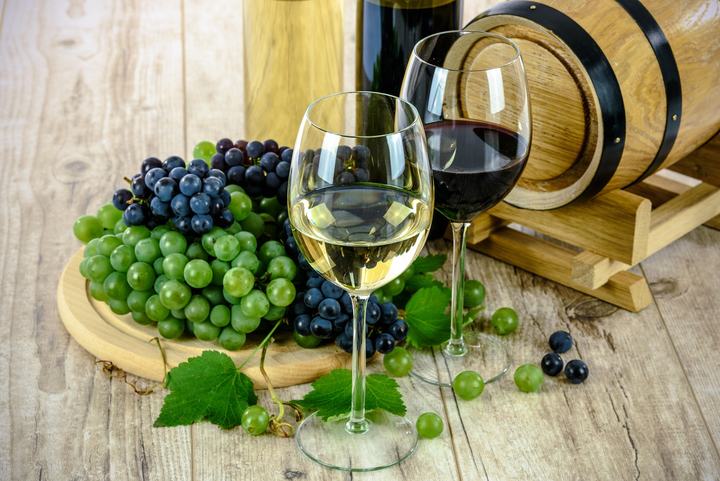
The best cellar is built around wines you enjoy. Before buying anything for the long term, taste widely and note which regions and styles you return to. Then think in three tiers: wines to drink now, wines that will improve over the next few years, and a smaller number for the long haul. Buying several bottles of the same wine is one of the great pleasures of a cellar, because you can open one every few years and follow how it changes.

A Balanced First Cellar

Drink Now

Fresh whites and roses, Muscadet, Beaujolais, Loire reds and good Cotes du Rhone. Most are at their best within two or three years of the vintage.

Medium Term

Village and Premier Cru Burgundy, Northern Rhone reds such as Crozes-Hermitage and Saint-Joseph, Cru Bourgeois Bordeaux and vintage Champagne. Typically at their best between five and fifteen years.

Long Term

Classified Bordeaux, Grand Cru Burgundy, Hermitage and Cote-Rotie, Sauternes and top Loire Chenin Blanc. These can reward ten, twenty or more years in the cellar.

Keep a Record

A simple record of what you own, where it is and when it should be drunk saves good bottles from being forgotten. A spreadsheet works, and so do cellar apps. Note the drinking window for each wine and look over the list once or twice a year, so that nothing slips past its best.

Ideal Conditions

  • 12 to 13 degrees C, kept steady
  • 60 to 75 percent humidity
  • Dark and free of vibration
  • Cork-sealed bottles on their side

Starting With Champagne?

Our guide to building a Champagne cellar covers non-vintage, vintage and grower bottles.

Read the Champagne Guide

Stay Connected

The Insider

New guides, region spotlights and vintage notes from France's vineyards, once a month, straight to your inbox.

We respect your inbox. Read our Privacy Policy.