Tasting wine well has less to do with a gifted palate than with a routine. Professionals follow the same few steps every time: look, swirl, smell, sip and reflect. Use them with any bottle, from a weeknight Cotes du Rhone to a Grand Cru, and you will notice far more of what is in the glass.
The Five Steps
- 1
Look
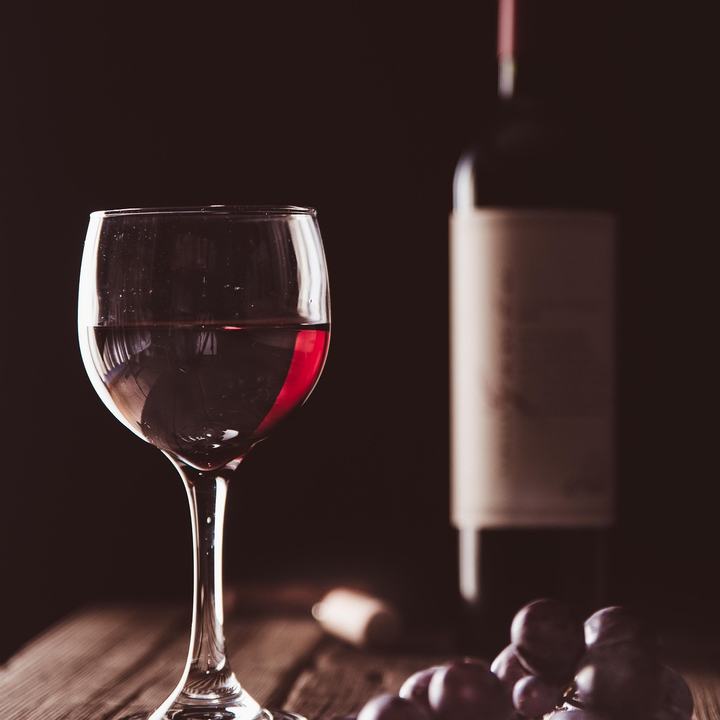
Tilt the glass against a white background and note the colour, both at the core and at the rim. White wines gain colour as they age, moving from pale lemon towards gold, while red wines lose it, shifting from purple to garnet and then to brick at the rim.
- 2
Swirl
Hold the glass by the stem and swirl gently for a few seconds. Moving the wine draws in air and releases its aromas, which is why a glass should only be filled about a third of the way.
- 3
Smell
Take a few short sniffs rather than one long one. Look for fruit and flowers first, then notes from winemaking such as vanilla, toast or butter, and finally the savoury notes of age, like leather, mushroom or dried fruit.
- 4
Sip
Take a small sip and move it around your mouth. Notice the sweetness, the acidity that makes your mouth water, the tannin that dries your gums and the warmth of the alcohol. Then judge the body: is it light like skimmed milk, or rich like cream?
- 5
Reflect
Swallow or spit, then count how long the flavours stay with you. A long, layered finish is one of the clearest signs of quality. Finally, ask whether the fruit, acidity, tannin and alcohol feel in balance.
Building a Tasting Vocabulary
Tasting notes can sound fanciful, but most of them draw on a handful of familiar families of aroma. Knowing the families gives you a framework for what you are smelling.
- Fruit: citrus and green apple in Chablis or Muscadet, red cherry and raspberry in red Burgundy, blackcurrant and plum in Bordeaux.
- Floral: violet in Margaux and Northern Rhone Syrah, white flowers in Puligny-Montrachet, honeysuckle in Condrieu.
- Earth and mineral: wet stone, chalk, flint and graphite, words tasters often use for wines grown on limestone, chalk and gravel.
- Oak: vanilla, toast, cedar, smoke and spice from barrel ageing, especially in new oak.
- Age: leather, forest floor, truffle, honey and nuts as a wine matures in bottle.
Structure: The Backbone of a Wine
Aromas tell you what a wine tastes of; structure tells you how it is built. Five elements make up the frame: acidity, tannin, alcohol, sweetness and body. Acidity gives freshness and helps a wine age. Tannin, from grape skins, seeds and oak, gives red wine its grip. Alcohol adds weight and warmth. Sweetness runs from bone dry to luscious, as in Sauternes. In a great wine, all of them are in balance and no single element sticks out.
Setting Up a Tasting at Home
- Use clear, tulip-shaped glasses, so you can see the wine and its aromas gather at the rim.
- Taste in order: sparkling before still, white before red, light before full-bodied and dry before sweet.
- Serve at the right temperature: Champagne and crisp whites at 8 to 10 degrees C, fuller whites at 10 to 13, lighter reds such as Beaujolais at 12 to 14 and fuller reds at 16 to 18.
- Keep water and plain bread or crackers to hand to reset your palate.
- If you are tasting several wines, it is perfectly normal to spit.
- Write a few words about each wine. Notes, however brief, are how a palate develops.
Spotting a Faulty Bottle
Most wine is sound, but it helps to recognise the common faults. Cork taint smells of damp cardboard or a musty cellar and mutes the fruit. Oxidation turns white wine brown and gives a bruised apple or sherry-like note. Heat damage leaves a stewed, jammy smell, and a cork pushed up from the neck is a warning sign. A whiff of struck match or rotten egg usually comes from reduction, which often fades after a few minutes in the glass or some time in a decanter.
Quick Checklist
- Look: colour at the core and rim
- Swirl: a third of a glass is plenty
- Smell: fruit, winemaking, age
- Sip: acidity, tannin, alcohol, body
- Reflect: length and balance
Choosing a Glass
A tulip-shaped glass with a bowl that narrows towards the rim concentrates the aroma. One good all-purpose glass is enough to start with.